

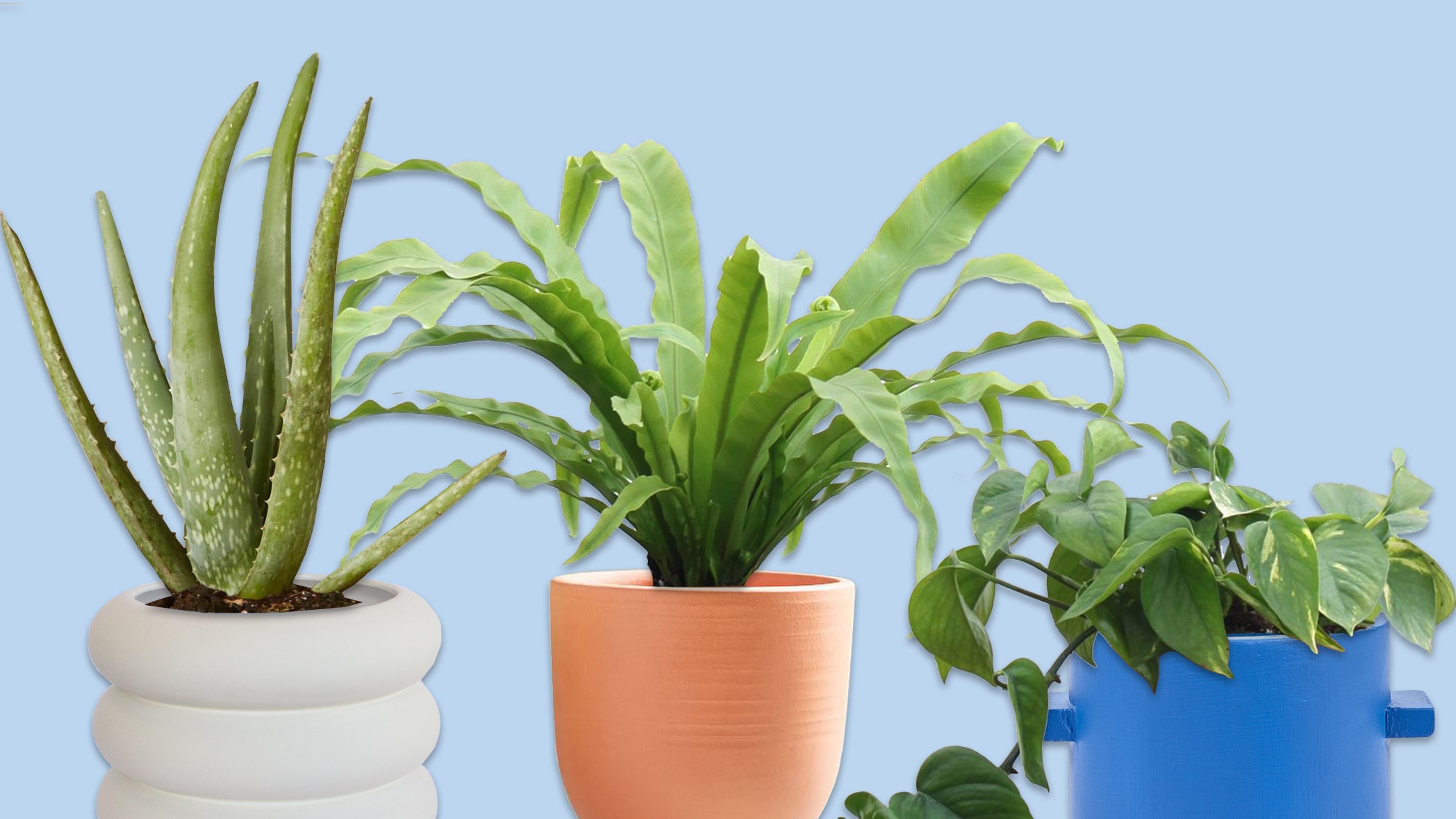
After many hours of pondering, researching, and looking for the perfect plant to brighten up your inside or bring a little life to the exterior, you’ve concluded that the container is the most crucial consideration. So, what possibilities do you have? The first critical factor to consider is the planter box materials.
What Materials Are Used to Make Planters?
Planters made of natural materials, such as metal and wood, are less common yet have advantages. So, this guide will cover everything and, with a bit of thought, will assist you in selecting the perfect planter for both you and the plants.
Planters Made of Fibreglass
Fibreglass is a relatively new and cutting-edge material. It is made by spinning glass into a fibre and then combining it with a resin to form a very flexible composite. After that, the fibreglass and resin mix is poured into a mould to create various shapes and forms. The fibreglass planter box gets a smooth and protective finish after a few rounds of polishing and a coat of priming.
Advantages
Fibreglass containers are exceptionally durable and flexible, making them ideal for long-term storage. They may be used both indoors and outdoors and can withstand a lot of abuse. Furthermore, minor dents and wear-and-tear could be quickly rubbed out or painted over.
- Quality: Despite the low price, meticulous precision and rigorous production standards result in fibreglass pots of exceptional strength and polish. Fibreglass pots are often relatively light, making them excellent for large containers.
- Plant protection: Fibreglass is indeed a well-known material for its plant-protective properties. UV protection in hot areas, waterproofing, and the fact that it’s not a porous substance mean it won’t leach chemicals in the water and harm the plants, making it ideal for growing edibles!
Planters Made of Concrete
Advantages
- Because of their natural light-grey tone, the concrete planter can be attractively neutral in a crowded colour scheme. Moreover, they can be painted at the house in several colours, the best of which is masonry paint. This allows for unlimited DIY and customisation possibilities.
- Concrete is a heavy and durable material, and this makes it perfect for outside planters for huge plants that heavy winds and weathering might otherwise damage.
- Concrete vessels can come in just about any shape and even huge sizes, given the nature of a moulding process. Manufacturers will be able to offer unique designs for special orders as well.
Planters Made of Plastic
Advantages
- Plastic is a low-cost material that has been mass-produced since the dawn of time. Making and moulding it into any form or style is exceptionally inexpensive. As such, plastic is the most common type of plant pot found in supermarkets.
- Plastic’s strength-to-weight ratio is exceptionally high, which is one of the reasons for its worldwide popularity.
Planters Made of Ceramic and Terracotta
Advantages
- Clay pots of any kind can range from highly inexpensive to outrageously expensive and luxurious. Although, this material produces low-cost containers that can be reused repeatedly, saving even more money.
- Ceramic planters that have been glazed are incredibly robust and may withstand decades of direct sunlight and low temperatures. Pots made of ceramic material and pottery can be securely reused.
- Terra cotta is usually left unglazed. With more baking and weathering, the outside may flake and age. This provides it with a natural appearance that is pleasant both outside and inside.
