

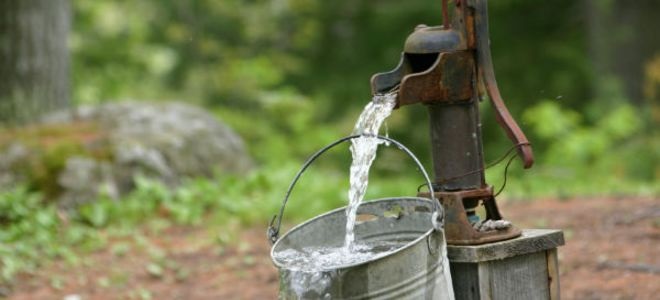
In the past, it has been thought that well water has been the better option over chemically treated water from city water pipes. However, back in the day well water was much clearer and cleaner than it is today. And, as a result, many well owners experience a number of well water problems.
So what is the cause of these problems? Over the decade’s pollution and other environmental factors have increasingly damaged well water supply and purity. Also, rain is the main supplier of well water and the increasing pollution of the air and damage to the ozone layer are detrimental to the rainwater. These acidity levels in the rainwater have caused a decrease in safety and an increase in many health issues from well water.
Although well water may have its share of problems, there are ways in which to treat the water, so that you are able to use it safely. Here are the most common well water problems to look out for:
Hard Water
Hard water is water that has a higher than normal mineral content. When water is running over limestone there is a high concentration of calcium and magnesium as well as sulfates. Hard water has a damaging effect on plumbing, appliances, and clothes and becomes expensive over time. While not considered a serious risk to health, hard water damages and prematurely ages skin and hair. Studies have also shown that a common problem from hard water is urolithiasis. Urolithiasis is similar to kidney stones but they form in the bladder.
Solution
Add a water softener to your water filtration system. Rather opt for a system that uses salt-free technology, as this is more efficient and a green alternative to traditional salt-based systems, which produce large amounts of brackish wastewater.
Acidic Water
Acid rainfall can drop water’s pH levels below 7. Symptoms of acidic water include blue-green or rust stains in sinks and tubs, metallic, bitter-tasting water and corroded faucets and fixtures. Acidic water corrodes plumbing over time, raising the risk of leaks and burst pipes. Plus, lead causes serious and irreversible health problems, especially in children.
Solution
One option is to install an acid neutralizing filter, or soda ash injections into your well to raise the pH levels. In some cases, replacing metal pipes with plastic components will also help.
Hydrogen Sulfide
A flammable gas, hydrogen sulfide enters water when organic material decomposes. An infestation of sulfate-reducing bacteria in the well can produce the gas and makes the water smell like rotten eggs. Hydrogen Sulfide in your water can stain laundry, stain bathroom fixtures, and discolor things like silverware and brass
Solution:
Replacing the anode rod in your hot water heater can help, this way substances in the water chemically interact with the rod. Well disinfection can reduce sulfide reducing bacteria and thankfully the unpleasant smell. Plus, a system of automatic chlorination and filtration also reduce hydrogen sulfide levels.
Well owners can mitigate their risk of any of these problems with regular well water testing. Detecting problems early in their development allows you to address small well water issues before they get out of hand. There are home kits you can buy to test your well water or you can call in professionals to come and help sort your well out.
