

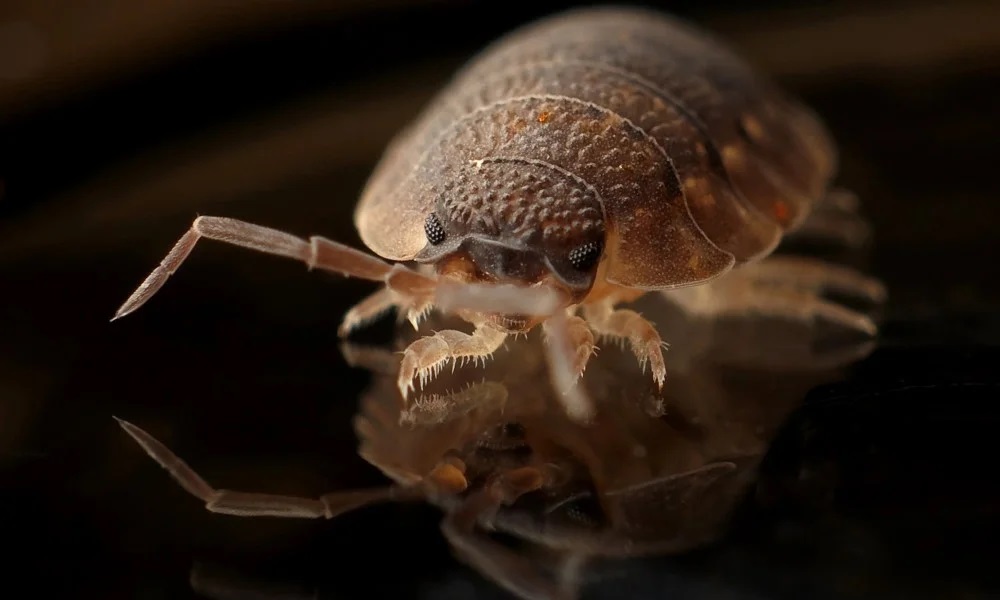
It’s easy to bring back a knickknack you didn’t want from your summer vacation. There is a nationwide resurgence of the dreaded bed bug. Bed bugs have been around forever, but they are becoming harder and harder to get rid of since they have developed resistance to standard pesticides. Bed bugs can easily spread throughout the world thanks to the rise in international travel. Every home and person is at risk of a bedbug infestation. Below are some tips for avoiding bed bugs while traveling.
What Are Bed Bugs?
Bed bugs (also known as Cimex lectularius scientifically) are parasitic pests that thrive on human and animal blood, with humans being their preferred hosts. These insects are nocturnal, meaning they hide during the day and only come out to eat at night. They do this because they like to reside in dark places, such as crevices, carpet seams, and beds. Bed bugs are very hardy, able to survive in a wide range of temperatures, going months between blood feeds while continuing to lay eggs that will soon hatch and add to the population.
Bed bugs do not have wings, so they can’t fly; however, they can creep from their hiding places and launch attacks. Adult bed bugs have brown, flattened bodies that may change in size with age and diet. The major signs of a bed bug infestation include seeing them physically, spotting their fecal stains of spotting their eggshells.
Tips for Avoiding Bed Bugs While Travelling
- Do good research on the hotel.
Check the hotel’s record for bed bugs before making a reservation there. You can find out whether the hotel has had bed bug issues in the past by reading reviews online and looking at websites that keep track of such things.
- Make use of luggage racks.
Utilize the provided luggage racks instead of placing your luggage on the floor or under the bed. This will lessen the possibility of your baggage getting infested with bed bugs.
- Inspect the room.
Blood stains, eggshells, skin sheds, and live bugs are all things to look for while checking into a hotel. Make sure you inspect the box spring, mattress, and upholstery closely, especially the seams, folds, and crevices.
- Wash and dry your vacation attire.
Wash and tumble dry all of your clothes and other items in the hottest water and driest settings available to make sure no bed bugs make it back into your house with you following a vacation,
- Vacuum suitcases.
After washing your clothes, give your suitcases good vacuuming to eliminate any lingering bed bugs or eggs.
Taking these precautions can lessen the possibility of getting bit by bed bugs or carrying them back to your house.
Seek The Expert Advice from Life After Bugs.
Are you suspecting that bedbugs have infested your house? Our experts at Life After Bugs have the knowledge and experience to confirm the presence of these nuisance pests. To eliminate them, they go straight to the source: the breeding places of these pests. We use either traditional chemical treatments or Thermal Remediation, sometimes known as heat treatment. We recommend contacting Life After Bugs immediately if you suspect a bed insect infestation. Our facility is based in Houston, Texas.
