

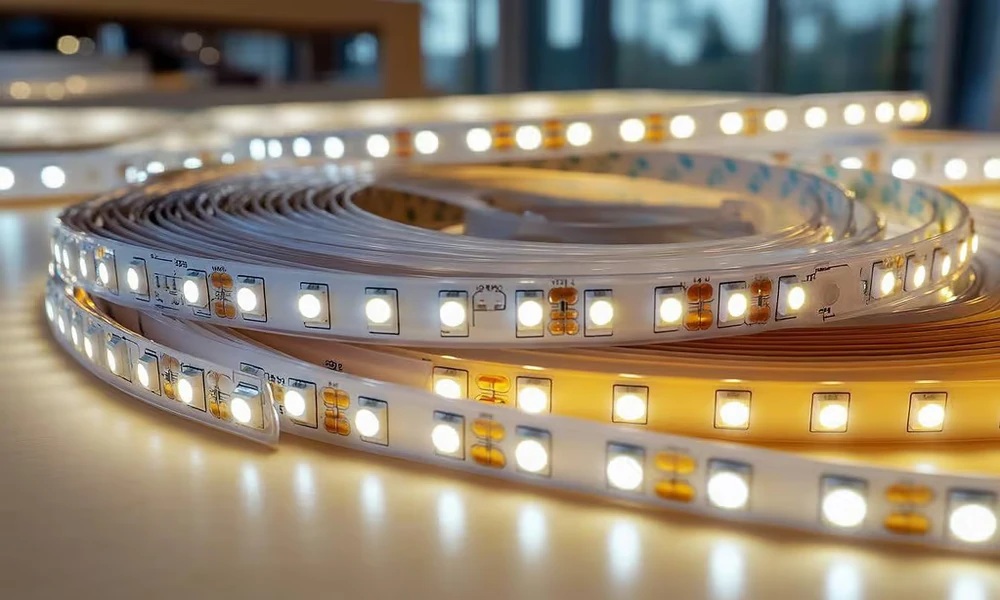
A well-designed lighting system can transform an ordinary space into an attractive, functional, and energy-efficient environment. From residential interiors and commercial buildings to retail displays and architectural installations, LED strip lighting has become an important part of modern illumination. Its flexibility, compact design, and variety of lighting effects make it suitable for numerous applications. However, achieving consistent results depends on selecting suitable products, understanding technical specifications, and working with dependable manufacturers and distributors that can meet different project requirements.
Understanding the Growing Demand for LED Strip Lighting
LED strip lights have gained popularity because they combine practical illumination with creative design possibilities. Their slim construction allows installation in locations where traditional lighting fixtures may not fit. They can be placed beneath cabinets, along ceilings, around mirrors, inside display units, and across decorative architectural features. Adjustable lengths and different brightness levels provide additional flexibility. As energy efficiency becomes increasingly important, businesses and property owners are paying greater attention to lighting solutions that offer reliable performance, reduced electricity consumption, and convenient installation.
Why Product Quality Matters in Lighting Applications
Product quality directly influences the performance and lifespan of an LED lighting installation. Factors such as LED chip quality, circuit board construction, heat management, adhesive strength, and electrical consistency determine how effectively a strip operates. Poor-quality components may result in uneven brightness, excessive heat, inconsistent colours, or premature failure. Reliable LED Strip suppliers help buyers evaluate these factors before making purchasing decisions. Understanding manufacturing standards and product specifications also makes it easier to select lighting products that match installation conditions, expected operating hours, and the technical requirements of individual projects.
Important Features to Consider Before Purchasing
Choosing an LED strip requires more than comparing prices or appearance. Input voltage, colour temperature, LED density, brightness, waterproof protection, and power consumption should all be considered. For example, 12V and 24V products serve different installation requirements, while higher LED density can provide smoother illumination across certain surfaces. A product specification such as 5050-WW-300 light strip Input Voltage:DC12V or DC24V; provides useful information about the LED type, warm white lighting, strip configuration, and available voltage options. Checking these details helps prevent compatibility problems during installation.
Applications Across Residential and Commercial Spaces
LED strip lighting offers considerable versatility across different environments. In residential properties, it is frequently used for kitchen cabinets, bedroom ceilings, wardrobes, staircases, and decorative wall features. Commercial spaces use these products for product displays, reception areas, restaurant interiors, hotels, and retail shelving. In offices, carefully positioned LED strips can improve visual presentation while supporting practical lighting arrangements. Architectural designers also incorporate linear lighting into modern building features. This adaptability makes LED strips suitable for projects that require both functional illumination and an attractive visual appearance.
The Importance of Reliable Manufacturing and Supply Chains
A dependable supply chain is essential for businesses managing regular lighting installations or large purchasing requirements. Delayed shipments, inconsistent product specifications, and unavailable stock can affect project schedules and increase operational costs. Established LED Strip Lights exporter businesses help connect international buyers with manufacturers capable of supplying products for different markets. Export experience, packaging standards, product documentation, and communication are important considerations when selecting a supplier. Buyers should also examine whether product specifications remain consistent across repeat orders, particularly when lighting systems are being installed across multiple locations.
Energy Efficiency and Long-Term Performance
Energy efficiency is one of the major reasons behind the growing adoption of LED technology. Compared with many traditional lighting options, LEDs generally consume less electricity for a similar lighting output. They also produce less unwanted heat under normal operating conditions, although appropriate thermal management remains important. Long operating life can reduce replacement frequency and maintenance requirements. However, actual performance depends on component quality, installation methods, electrical compatibility, and operating environments. Selecting suitable power supplies and following recommended installation practices can contribute to stable illumination and better long-term results.
Customisation and Technical Support for Different Projects
Different lighting projects often require different product configurations. Some applications need warm white illumination to create comfortable interiors, while others require cool white lighting for a brighter appearance. Flexible lengths, waterproof coatings, cutting points, dimming compatibility, and different voltage options can also influence product selection. Technical assistance becomes valuable when buyers are comparing specifications or planning installations with particular electrical requirements. Clear product information helps distributors, contractors, designers, and project managers make informed decisions while reducing the possibility of purchasing unsuitable lighting components.
Choosing a Suitable Partner for International Requirements
International buyers often consider several factors before establishing a long-term supplier relationship. Product consistency, communication, manufacturing capabilities, competitive pricing, and delivery arrangements all influence purchasing decisions. A reliable partner should provide accurate technical information and explain available product variations without making unrealistic performance claims. Reviewing samples and confirming specifications before placing large orders can also reduce purchasing risks. Businesses searching for lighting solutions may explore LED Strip suppliers that offer suitable product ranges, transparent information, and dependable coordination for projects involving different applications and market requirements.
Conclusion
The development of LED technology continues to create opportunities for more efficient, flexible, and visually appealing lighting installations. Selecting appropriate products requires attention to electrical specifications, construction quality, application requirements, and long-term reliability. Working with an experienced LED Strip Lights exporter can also simplify international purchasing by providing access to suitable lighting products and organised supply arrangements. For businesses exploring LED strip lighting options, dekingled.com offers a platform to learn more about LED lighting products and available solutions. Careful product evaluation and informed supplier selection remain important steps toward achieving dependable lighting performance across residential, commercial, and architectural projects.
