

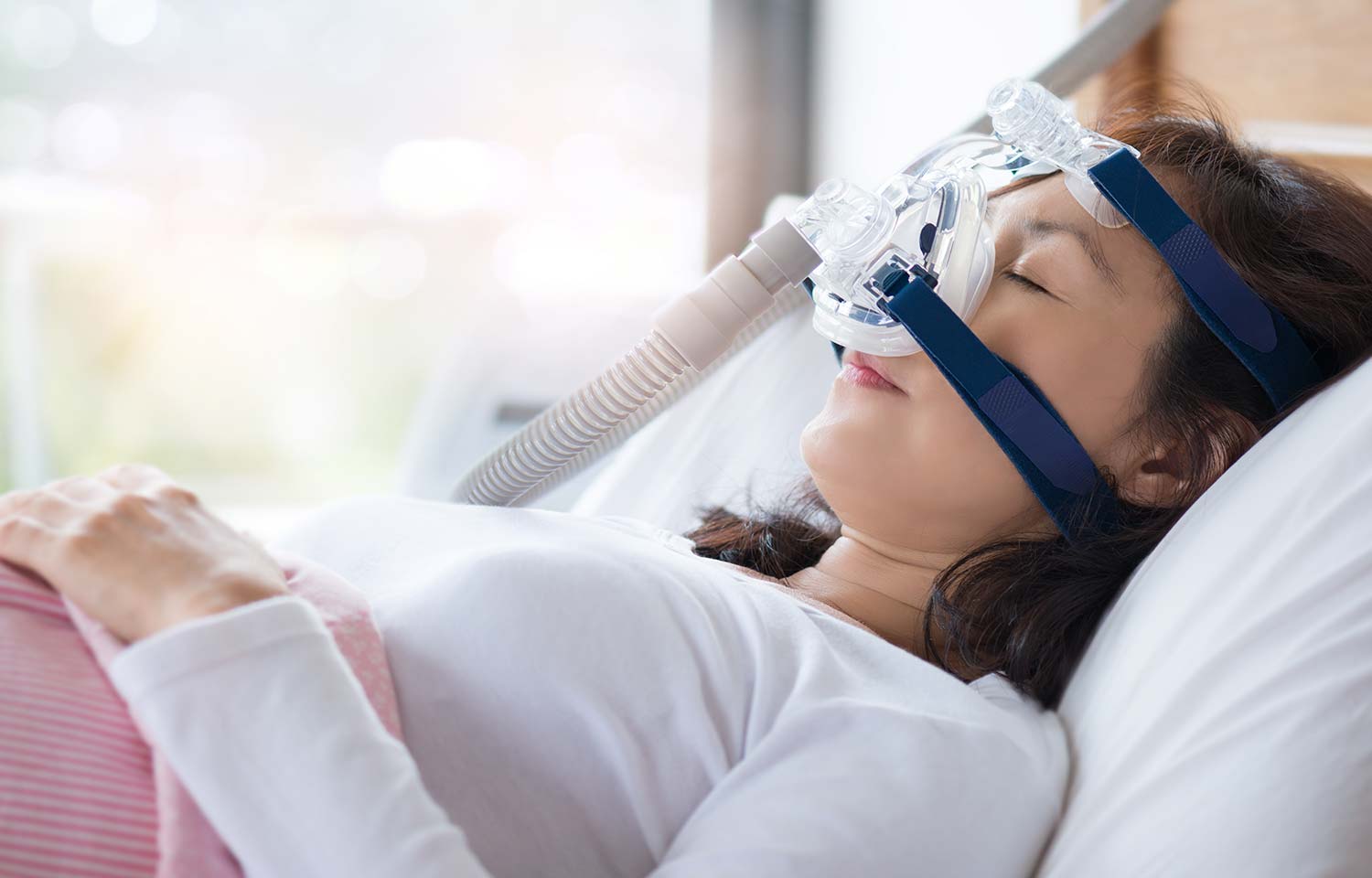
Is your partner or spouse complaining about your persistent snoring throughout the night? Are you waking up feeling exhausted despite getting a full night’s sleep? If so, you might be experiencing a serious sleep disorder called sleep apnea, which can significantly disrupt your sleep quality and affect your daily life.
The dentist in Willowdale, North York, ON, and their team are dedicated to pinpointing the underlying cause of sleep apnea. We offer a range of effective treatment options, both non-surgical and surgical, aimed at improving your quality of life.
Understanding sleep apnea
Sleep apnea is a condition characterized by interrupted breathing during sleep. This interruption, referred to as “apnea,” can occur due to various factors, such as blocked airways (obstructive apnea), improper breathing regulation by the brain (central apnea), or a combination of both (complex apnea).
As a survival response to the lack of oxygen, your body triggers a reflex that prompts you to wake up intermittently, just long enough to resume breathing. While this reflex is vital for ensuring your survival, it disrupts your regular sleep patterns. This disruption can have adverse effects on your overall sleep quality and may also increase the strain on your heart, potentially leading to severe health complications.
Causes of sleep apnea
Sleep apnea has specific causes based on the types. These include the following:
Obstructive sleep apnea
- Is caused by blockage of the airways when the muscles of the head and neck relax while you are asleep.
- The surrounding tissues press against your windpipe, obstructing the normal airflow through it.
Central sleep apnea
- Heart failure
- Hypoxia (low blood oxygen levels)
- Nervous system damage
Symptoms of sleep apnea
Sleep apnea presents with a wide range of symptoms, such as:
- Fatigue on waking up
- Daytime sleepiness
- Snoring
- Waking up frequently at night
- Anxiety and depression
- Trouble concentrating
- Memory loss
- Unusual breathing pattern
- Insomnia
- Night sweats and heartburn
- Sexual dysfunction
- Headaches, especially when waking up
How can sleep apnea be treated?
There are many approaches to treating sleep apnea, based on the specific type and how severe it is. Possible treatments include:
Non-surgical approach
- Conservative treatment
- Weight loss
- Changing sleep positions
- Nasal sprays
- Medications
- Decreasing or stopping opioid pain medications
- Positive airway pressure (PAP) and adaptive ventilation
- Uses a specialized device to increase the air pressure inside your airway.
- Oral appliances
- Hold your tongue and jaw in a position to keep pressure off your windpipe.
- Nerve stimulators
Surgical approach
- Somnoplasty
- Nasal surgery
- tonsillectomy/ adenoidectomy
- Uvulopalatopharyngoplasty (UPPP)
- Jaw surgery
Sleep apnea, a prevalent condition, disturbs your breathing during sleep. Left untreated, it can result in severe or life-threatening complications, underscoring the importance of early detection and intervention.
