

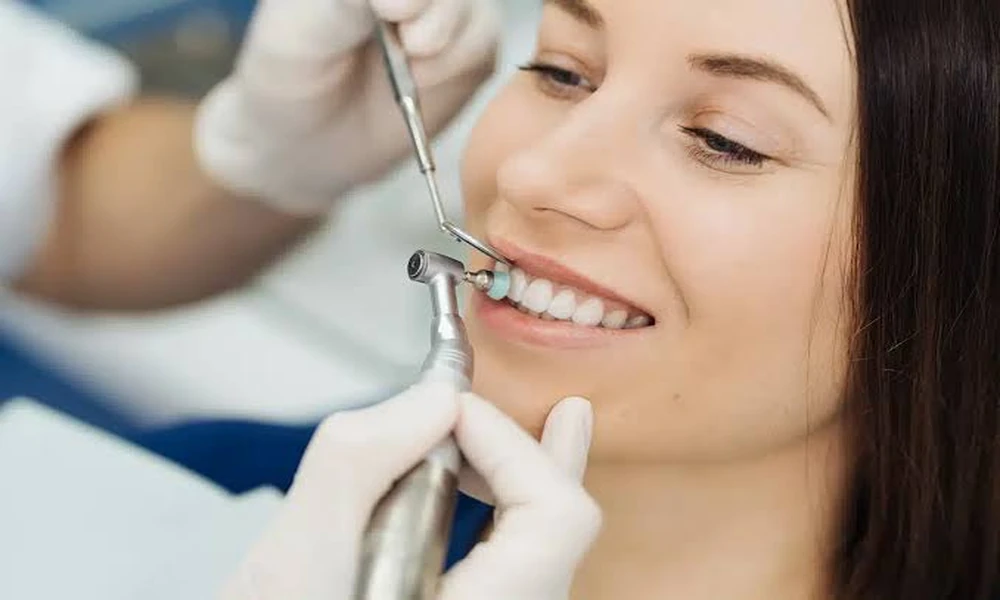
You brush, you floss when you can, and you try not to think too hard about that little bit of sensitivity when you drink something cold. A lot of people live in that space. They are not in pain every day, but they also do not feel fully confident that their teeth are as healthy as they should be. That uncertainty wears on you, especially when dental problems tend to show up all at once and with a bill attached. Talking with a Franklin Parish dentist can help you understand what is going on before small concerns turn into bigger ones.
Preventive care is what keeps small issues from turning into cavities, gum disease, cracked enamel, and more expensive treatment later. A general dentist preventive care tools approach usually comes down to a few proven methods that work together. Cleanings remove buildup you cannot handle at home, fluoride strengthens enamel, sealants block decay in vulnerable grooves, and digital X rays help catch problems before they get bigger. Those four tools do a lot of the quiet work that protects your smile over time.
Professional dental cleanings remove what brushing leaves behind
Plaque starts forming on teeth every day. If it is not removed well enough, it hardens into tartar, and tartar does not come off with a toothbrush. That is where routine cleanings matter. They remove the buildup that collects around the gumline and in the spots you miss, even if you are doing your best at home.
This is often the part people put off because life gets busy, or because nothing hurts yet. The problem is that early gum irritation usually feels mild. You may notice bleeding when you floss and tell yourself you brushed too hard. You may see staining and assume it is only cosmetic. Meanwhile, bacteria stay in place, inflammation grows, and what could have been managed with a cleaning can move toward gum disease treatment.
A general dentist also uses your cleaning visit to check for changes in your gums, enamel, bite, and soft tissues. That matters because prevention is not only about removing buildup. It is about spotting patterns early, before they become harder to reverse.
Fluoride treatment helps strengthen enamel before decay starts
Enamel deals with acid attacks all day from food, drinks, and bacteria. When that cycle keeps repeating, weak spots can turn into cavities. Fluoride helps by supporting remineralization, which means it can strengthen areas before a cavity fully forms. The CDC explains how fluoride helps prevent tooth decay by making teeth more resistant to acid.
This tool is easy to underestimate because it sounds simple. Simple is good. A professional fluoride treatment is fast, painless, and useful for both children and adults, especially if you have dry mouth, frequent snacking, past cavities, braces, gum recession, or sensitivity. Those are common situations, and they all raise your risk.
Preventive dental treatments are often most effective when they support your daily routine instead of replacing it. Fluoride is a good example. It does not excuse poor brushing habits, but it does give your teeth added protection when real life is less than perfect.
Dental sealants protect the grooves where cavities often begin
Molars have deep pits and grooves that love to trap food and bacteria. Even people who brush well can struggle to clean those narrow spaces fully. Sealants cover those areas with a thin protective layer, which lowers the chance that decay will start there in the first place.
Many people think sealants are only for kids. They are common in children, but some teens and adults can benefit too, depending on the shape of their teeth and their cavity history. The National Institute of Dental and Craniofacial Research explains dental sealants and how they help shield back teeth from decay.
If you have ever had a cavity in a molar and wondered how it happened when you were brushing twice a day, this is often the answer. The chewing surfaces in back teeth are harder to keep clean than they look. Sealants add a barrier where your toothbrush has limits.
Digital X rays find hidden dental problems early
Not every dental problem is visible in a mirror. Decay can form between teeth, bone loss can begin under the gums, and infections can develop before you feel obvious symptoms. Digital X rays help a general dentist catch those issues early, when treatment is usually smaller, simpler, and less costly.
This matters because waiting for pain is a bad strategy. Pain usually means the problem has progressed. A tiny cavity between two teeth may need a small filling if caught early. Left alone, that same area can move toward a larger filling, root canal treatment, or even tooth loss. Prevention often saves money because it shrinks the size of the problem before it grows.
Preventive tools work best when they are used at the right time
| Preventive Tool | What It Does | Best For | What It May Help You Avoid |
|---|---|---|---|
| Professional cleaning | Removes plaque, tartar, and surface stains | Most patients at routine checkups | Gingivitis, bad breath, heavier buildup |
| Fluoride treatment | Strengthens enamel and supports remineralization | People with cavity risk, sensitivity, dry mouth, or gum recession | Early decay, enamel weakness |
| Dental sealants | Covers deep grooves in back teeth | Children, teens, and some adults with cavity prone molars | Decay on chewing surfaces |
| Digital X rays | Detects hidden problems below the surface | Patients who need monitoring for decay, bone loss, or past dental work | Larger cavities, infections, delayed treatment |
These tools are not interchangeable. Each one protects a different weak point. That is why routine visits matter. A dentist is not guessing which option sounds nice. They are matching the tool to the risk in front of them.
The CDC oral health tips for adults also reinforce the basics that make these treatments more effective, including daily brushing with fluoride toothpaste, cleaning between teeth, limiting sugar, and avoiding tobacco.
Small steps now can spare you bigger dental problems later
Schedule care before something hurts. If it has been a while, start with an exam and cleaning. That gives you a clear picture of what is going on now, before discomfort forces the issue.
Ask which preventive tool fits your risk. If you get cavities often, have sensitive teeth, or have deep grooves in your molars, ask whether fluoride or sealants make sense for you. Good prevention is personal, not one size fits all.
Tighten up the routine you can control at home. Brush twice a day with fluoride toothpaste, clean between your teeth daily, and watch the steady sipping of sweet or acidic drinks. Small habits matter because they shape what happens between dental visits.
Your smile does not need perfect care to stay healthy, but it does need steady attention. The right smile protection methods used by dentists can stop a lot of trouble before it starts, and that is usually the easiest path for your teeth, your time, and your budget. If you are due for a checkup, now is a good time to book one and get ahead of problems while they are still small.
