

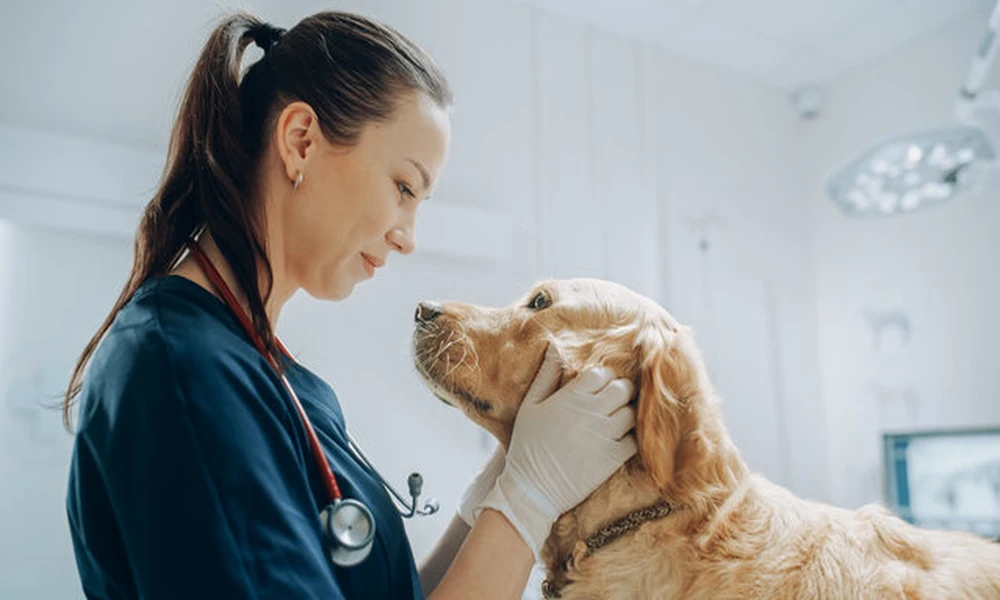
You might be watching your pet eat and feeling that small jolt of worry every time they cough, gag, regurgitate, or seem uncomfortable after a meal, which is why many pet owners turn to veterinarians in Heber Springs, Arkansas. It can look minor at first, then suddenly it is not minor at all. Meals become stressful. Water becomes stressful. Even giving a treat can make you pause.
That is where feeding position enters the picture. For some pets, body posture during and after meals is not just a comfort issue. It can be part of a medical plan designed to help food and water move safely, lower the risk of aspiration, and support better nutrition. Why feeding position can be part of a veterinary treatment plan for pets comes down to one simple truth. Gravity can help when the body is struggling to do the job on its own.
Feeding position affects how safely some pets can swallow and digest
Most healthy pets can eat from a bowl on the floor without trouble. Others cannot. Conditions that affect the esophagus, throat, muscles, or nerves can change the path food takes from the mouth to the stomach. When that happens, your general veterinarian may recommend a different feeding setup, meal texture, portion size, and rest period after eating.
A common example is megaesophagus. In pets with this condition, the esophagus loses the ability to move food down normally. Food and water can sit in the esophagus and come back up, which raises the risk of poor nutrition, weight loss, and aspiration pneumonia. Washington State University explains how megaesophagus affects pets and why upright feeding can help. The goal is not convenience. The goal is safer swallowing.
That difference matters. Regurgitation is not the same as vomiting, and owners often do not realize there is a medical reason behind what they are seeing. A pet that seems “messy” at mealtime may actually be showing signs of a serious swallowing or esophageal problem.
Position based feeding can reduce risk when standard feeding is not working
When a pet cannot move food well through the esophagus, feeding position can change the outcome of every meal. Upright feeding uses gravity to help food travel toward the stomach. In some pets, that means being held in a vertical posture. In others, it means using a specially designed chair, elevated support, or a very specific angle recommended by a veterinarian.
This is where stress often builds for owners. You are trying to do the right thing, but the instructions can feel oddly specific. Keep the pet upright for a set amount of time. Change the bowl height. Feed a slurry instead of kibble. Avoid free access to water. Watch for coughing after meals. It can feel like your home turned into a nursing station overnight.
Those details are specific because the wrong position or texture can make things worse. Some pets do better with meatball shaped food. Others do better with a liquid or gruel consistency. Washington State University has also described individualized videofluoroscopic feeding evaluation, which shows why one-size-fits-all advice often fails. A feeding plan works best when it is built around how your pet actually swallows.
Veterinary feeding recommendations often protect against aspiration and malnutrition
The biggest danger is not just that food comes back up. The bigger danger is that material can enter the lungs. Aspiration pneumonia can become an emergency fast. A pet may start with mild coughing and then develop fever, lethargy, breathing changes, or a sharp decline in energy. That is one reason pet feeding posture in veterinary care is taken seriously in certain cases.
Nutrition is the other side of the problem. If your pet is not keeping enough food or water down, weight loss can creep in quickly. Muscles weaken. Recovery from other illnesses gets harder. Medications become harder to give. What started as a feeding issue becomes a whole body issue.
Research in the Journal of the American Veterinary Medical Association discusses management strategies for dogs with megaesophagus, including feeding methods and monitoring for complications. You can review the paper here. This is why a veterinary feeding position treatment plan may sit alongside medications, imaging, follow up exams, and changes at home.
Home feeding changes and veterinary guidance are not equal choices
Some owners try raised bowls or hand feeding on their own after reading online advice. That instinct makes sense. You want relief now. The problem is that the right setup depends on the cause of the swallowing problem, and a setup that helps one pet may put another at risk.
| Approach | What It Looks Like | Possible Benefit | Main Risk |
|---|---|---|---|
| Standard floor feeding | Bowl on the ground, no post meal restriction | Works for healthy pets with normal swallowing | Can worsen regurgitation in pets with esophageal disease |
| DIY position changes | Raised bowls or upright holding without diagnosis | May seem to reduce visible regurgitation | May miss the real disorder or use the wrong posture and food texture |
| Veterinarian directed feeding plan | Exam, diagnostics, texture guidance, posture instructions, monitoring | Targets the actual problem and lowers complication risk | Requires time, follow through, and rechecks |
A feeding position for pets plan is most useful when it is tied to diagnosis, not guesswork. That is where general veterinarian care becomes the anchor. Your veterinarian can decide whether this is an esophageal issue, a pain issue, nausea, a neurologic problem, dental disease, or something else entirely.
Three steps you can take right away
Track exactly what happens at meals. Write down when your pet coughs, regurgitates, swallows hard, stretches the neck, refuses food, or seems tired after eating. Note food type, amount, water intake, and body position. Video helps because many pets act differently in the clinic than they do at home.
Do not redesign feeding without a diagnosis. Small changes can help, but random changes can also hide symptoms or increase risk. If your pet is regurgitating, losing weight, or coughing after meals, book a veterinary visit before trying internet fixes as a long term answer.
Ask for a specific feeding plan. Ask what posture is best, what food texture is safest, how long your pet should stay in position after meals, and what warning signs mean emergency care. Clear instructions reduce mistakes and help you feel less like you are guessing.
Feeding position can be a medical tool, not just a comfort choice
If your pet is struggling at mealtime, you are not overreacting by paying attention. Those quiet signs often mean more than they seem to mean. In the right case, changing feeding position is not a trick or a trend. It is part of treatment, and it can make daily life safer and more manageable for both you and your pet.
Reach out to a general veterinarian if meals have become a source of worry. A careful exam and a tailored feeding plan can give you clearer answers and a safer routine.
