

You know your pet’s normal. The way they greet you, how fast they finish dinner, where they like to sleep, the small habits that make them feel like themselves. When something shifts, even a little, it can sit in your chest all day. Maybe they seem tired, maybe they are drinking more water, maybe they just are not quite right. That uncertainty is hard, especially when the signs are vague and you are trying to decide whether to wait, watch, or call a veterinarian in Emeryville, Ontario or an animal hospital.
That is where diagnostic testing in veterinary care matters. It gives your veterinarian facts to work with instead of guesses. Bloodwork, urine testing, imaging, and lab analysis can confirm what is going on, rule out more serious problems, and help build a treatment plan that fits your pet’s actual condition. Good testing does not replace a physical exam or your observations. It strengthens them.
Accurate veterinary diagnostics reduce guesswork when symptoms are unclear
Many pet illnesses do not start with obvious signs. A dog with kidney disease may only seem thirstier than usual. A cat with pain may hide more and eat less. A pet with an infection may look tired, but tiredness can also point to anemia, hormone changes, heart trouble, or stress. The same symptom can lead in several directions, and each direction has different treatment needs.
Without testing, care can become trial and error. That costs time, money, and comfort. If a pet is vomiting, for example, it could be a simple stomach upset, pancreatitis, toxin exposure, or a blockage. Those are not treated the same way. Waiting too long can make a manageable issue harder and more expensive to treat. Moving too fast without evidence can also lead to treatment that misses the real problem.
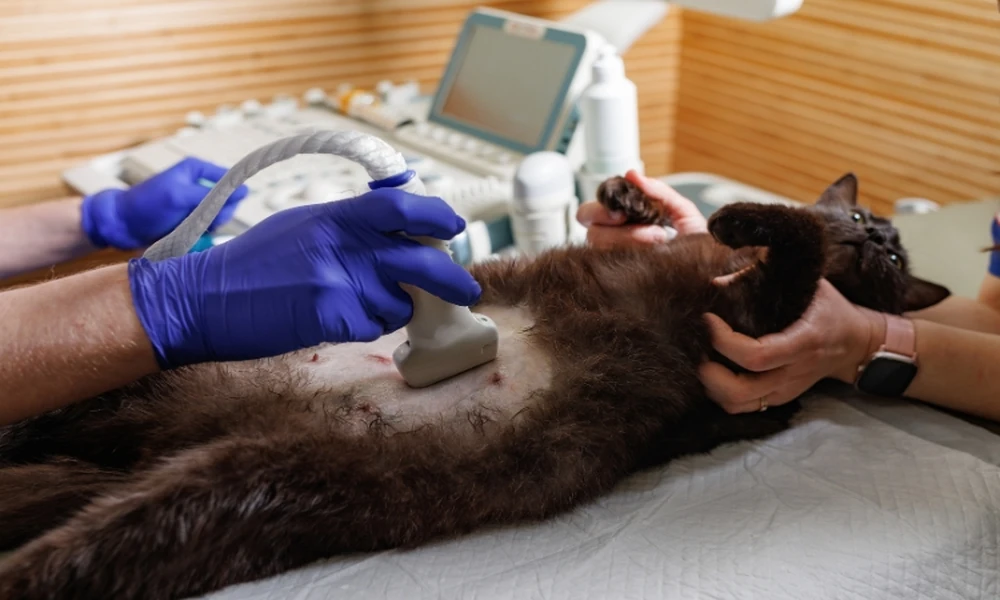
Veterinary diagnostic testing helps narrow those possibilities. A complete blood count can show infection or anemia. Chemistry panels can reveal liver, kidney, and blood sugar issues. Urinalysis can uncover crystals, infection, or poor kidney function. X rays and ultrasound can show masses, fluid, broken bones, swallowed objects, or organ changes. Each test adds a piece to the picture.
This matters for chronic problems too. If your pet has allergies, seizures, thyroid disease, diabetes, or recurring urinary issues, testing helps track whether treatment is working or needs to change. What looks stable at home can still be shifting internally, and catching that early often means fewer emergencies later.
Laboratory networks strengthen animal hospital testing and disease detection
Your veterinarian may run some tests in house for fast answers, especially when a pet is sick and decisions need to happen quickly. Other samples go to outside laboratories that offer deeper analysis, specialty pathology, or infectious disease testing. That connection between the exam room and larger diagnostic systems is one reason modern veterinary care is more precise than it used to be.
The broader lab network also matters for public and animal health. The National Veterinary Services Laboratories plays a central role in animal disease testing and confirmation. The National Animal Health Laboratory Network supports coordinated testing capacity across laboratories. Academic centers such as the Cornell Animal Health Diagnostic Center contribute advanced diagnostics, pathology, and expert consultation that help veterinarians solve difficult cases.
For pet owners, this usually shows up as clearer answers. A skin mass can be checked by cytology or biopsy instead of being judged by appearance alone. Diarrhea that keeps returning can be tested for parasites, bacterial causes, or digestive disease instead of being treated over and over with the same medication. A cough can be sorted into infection, heart disease, airway disease, or something else entirely.
Practical testing choices affect speed, cost, and treatment accuracy
Most people are balancing two worries at once. You want answers, and you are also thinking about cost. That is normal. Diagnostic testing is not about ordering everything possible. It is about choosing the tests that answer the most useful questions first. A good animal hospital will explain what each test looks for, how quickly results come back, and how those results change the next decision.
| Approach | What It Looks Like | Short Term Cost | Risk | Likely Outcome |
|---|---|---|---|---|
| Symptom based treatment only | Medication or watchful waiting without testing | Lower at first | Missed diagnosis, delayed care, repeat visits | May help simple issues, often fails when symptoms overlap |
| Targeted diagnostic testing | Exam plus selected bloodwork, urine, imaging, or lab analysis | Moderate | Less guesswork, earlier detection | More accurate treatment plan and fewer unnecessary therapies |
| Advanced testing for complex cases | Specialty labs, biopsy, ultrasound, endocrine or infectious disease panels | Higher | Can feel overwhelming if not explained clearly | Useful when routine tests do not explain persistent or serious symptoms |
In real life, the best path is often staged. A veterinarian may start with an exam and basic lab work, then add imaging or specialty tests if the first results point in a certain direction. That approach respects both medical judgment and your budget.
Clear next steps help you use animal hospital diagnostics wisely
Track the changes you are seeing. Write down when symptoms started, how often they happen, what your pet is eating and drinking, changes in bathroom habits, energy, coughing, limping, scratching, or vomiting. Videos help. These details make testing more focused because they give context to the numbers and images.
Ask what each test is meant to rule in or rule out. That one question can make the whole visit feel less confusing. You should know whether a test is checking organ function, looking for infection, confirming a mass, or monitoring a known condition. When you understand the purpose, the cost feels less random and the decision feels more grounded.
Follow through on rechecks and repeat labs. One normal result does not always close the case, and one abnormal result may need to be monitored over time. If your pet starts medication for thyroid disease, diabetes, kidney disease, or infection, follow up testing shows whether the plan is working safely. This is where a lot of long term health gains happen.
When your pet is unwell, uncertainty is often the hardest part. How Diagnostic Testing Supports Accurate Veterinary Care comes down to one simple truth. Better information leads to better decisions. The right tests can protect your pet from delayed treatment, unnecessary medication, and avoidable suffering. If something feels off, contact an animal hospital and ask what diagnostic testing makes sense for your pet’s symptoms.
