

For years, diesel ground power units have been part of the normal rhythm of airport operations. They are familiar, mobile and often trusted by the teams who use them every day. So, when the conversation turns to replacing older diesel GPUs, it is easy to frame the issue as an environmental one: fewer emissions, less fuel burn, lower noise, cleaner airside operations.
That is all true. But it is only part of the story.
For airports, ground handlers, airlines and MROs, replacing older diesel GPUs is increasingly becoming a question of operational reliability, cost control and long-term planning. The environmental argument may open the discussion, but the business case often becomes much broader once operators look at how these units affect daily performance on the ramp.
An older diesel GPU may still start. It may still deliver power. It may even feel “good enough” because the team knows how to work around its weaknesses. But that does not always mean it is still the right asset for the operation.
As equipment ages, the hidden costs usually become harder to ignore. Fuel consumption can rise. Maintenance becomes less predictable. Spare parts may take longer to source. Small faults happen more often. A unit that was once dependable can slowly turn into equipment that needs more attention, more supervision and more backup planning.
On an airport apron, that matters. A GPU is not simply a machine parked beside an aircraft. It supports turnaround, maintenance work, aircraft preparation and, in some cases, mission readiness. If ground power is delayed or unstable, the impact does not stay with the equipment team. It can affect the aircraft schedule, the maintenance sequence, the use of the APU and the workload of ground staff.
This is one reason why newer diesel GPUs are being viewed differently from older diesel fleets. The question is no longer “diesel or electric” in a simple sense. Many airports are not ready to electrify every stand, every remote position and every maintenance area at once. Mobile power is still needed. The real question is whether the diesel equipment being used is still fit for modern operating expectations.
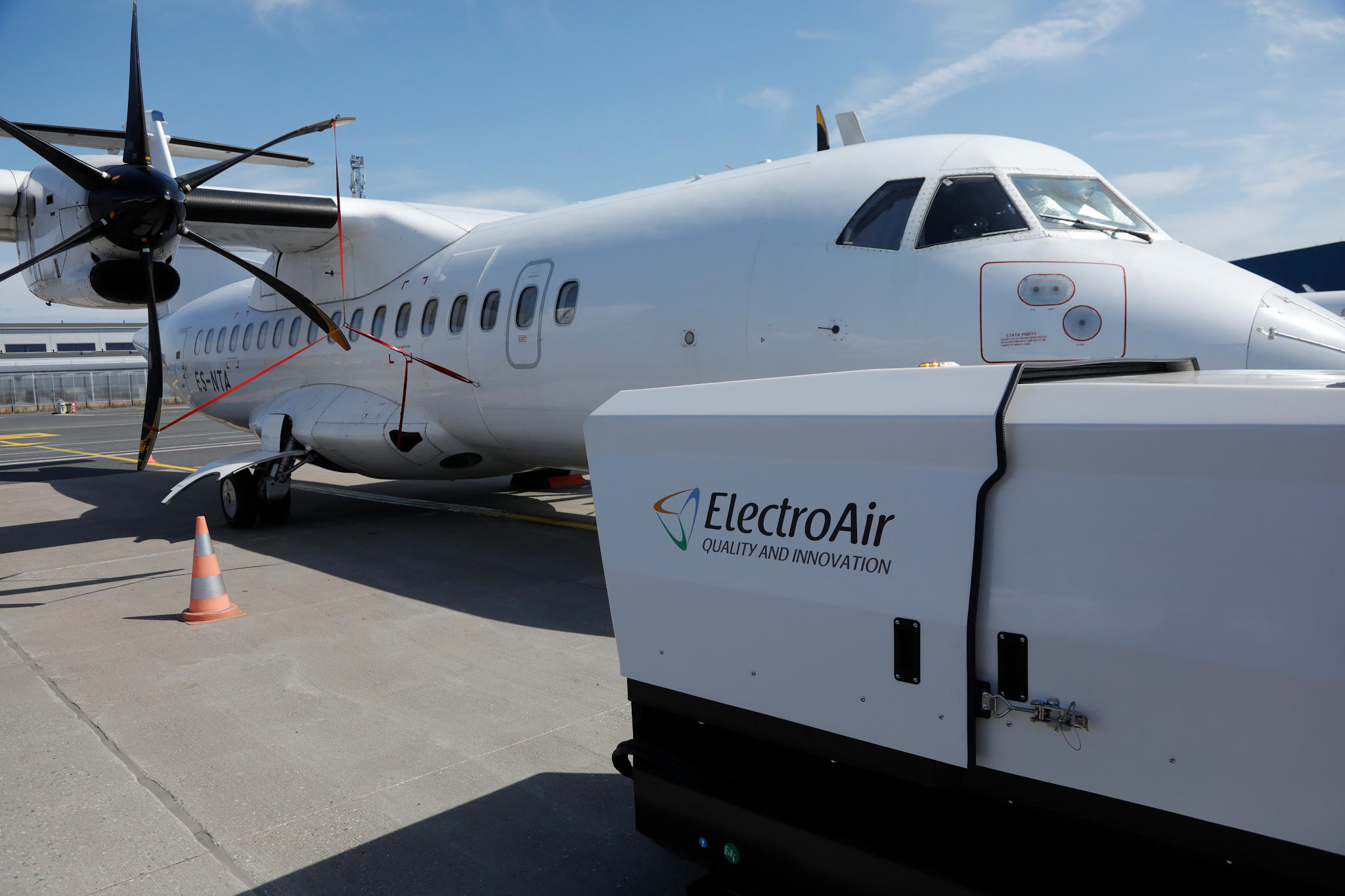
Modern lower-emission diesel GPUs are designed around more than engine power. They are expected to offer better emissions performance, stable aircraft power, improved diagnostics and a stronger lifecycle case. For example, the ElectroAir APA-100 lower-emission ground power unit shows how diesel GPU design is adapting to airports that still need independent mobile power, but want equipment that better fits current environmental and operational requirements.
Compliance is another important factor. In many regions, airports are tightening requirements for airside equipment. Tender documents increasingly ask for cleaner engines, stronger environmental performance or a clear transition plan. Even where older diesel GPUs are still allowed, they may become less attractive for future contracts or multi-airport operations.
This is especially relevant for ground handlers. They often operate under rules set by airport authorities, airlines or local regulators. A GPU that is acceptable at one airport may not be ideal at another. For companies working across different locations, newer equipment can provide more flexibility and reduce the risk of being caught by changing requirements.
There is also a practical financial point. Keeping an older GPU can look cheaper on paper because the purchase has already been made. But once higher maintenance, downtime, fuel use and reduced reliability are included, the picture can change quickly. Replacement is not always a cost. Sometimes it is a way to stop paying repeatedly for the same operational problem.
Power quality should also be part of the decision. Aircraft need stable and reliable ground power. If an older GPU struggles with output stability, worn components or recurring faults, it can create risks that are far bigger than the cost of maintenance itself. For MROs in particular, where aircraft may remain connected for long work periods, dependable ground power is not optional.
The transition to cleaner ground operations will not look the same everywhere. Some stands will move to fixed 400 Hz power. Some operators will choose battery GPUs where the charging infrastructure and duty cycle make sense. Others will continue to need mobile diesel or hybrid units, especially for remote stands, temporary operations, hangars and military environments.
That is why replacement decisions should be made with the full operating context in mind. A modern unit such as the ElectroAir APA-100 diesel-driven mobile GPU can support operators who still need mobility and independence, while moving away from the limitations of older diesel equipment.
Replacing older diesel GPUs is therefore not only about reducing emissions. It is about avoiding downtime, improving readiness, controlling long-term costs and preparing for stricter procurement expectations. The environmental case is important, but the operational case may be even stronger.
For many airports and handlers, the real question is no longer whether older diesel GPUs can keep running. It is whether they can still support the level of reliability, flexibility and future readiness that modern aviation now requires.
