

Los Angeles County records more traffic fatalities annually than any other county in the United States. The county averaged over 780 traffic fatalities (California Statewide Integrated Traffic Records System) per year between 2020 and 2024, representing a 23% increase from the five-year period preceding it. Geographic analysis of these fatalities reveals concentrated clusters that account for a disproportionate share of fatal outcomes, providing critical data for both public safety planning and legal accountability analysis.
Corridor-Level Concentration
Fatal crash data mapped against the county’s 27,000-mile road network shows that approximately 65% of all traffic fatalities occur on just 6% of roadways. These high-fatality corridors are overwhelmingly wide, high-speed arterial roads carrying heavy traffic volumes through densely populated neighborhoods. Figueroa Street, Vermont Avenue, Western Avenue, and sections of Sepulveda Boulevard consistently rank among the deadliest corridors in annual fatality reports.
A High-Injury Network map identifies the streets (City of Los Angeles Vision Zero) that account for the greatest concentration of severe and fatal crashes. This network comprises approximately 450 miles of roadway, roughly 6% of the city’s total street miles, but accounts for 70% of all traffic fatalities and severe injuries. The existence of this mapped network is significant from a legal perspective because it demonstrates that the responsible authorities have identified these hazardous conditions (Los Angeles Car Accident Forum).
Intersection Versus Mid-Block Patterns
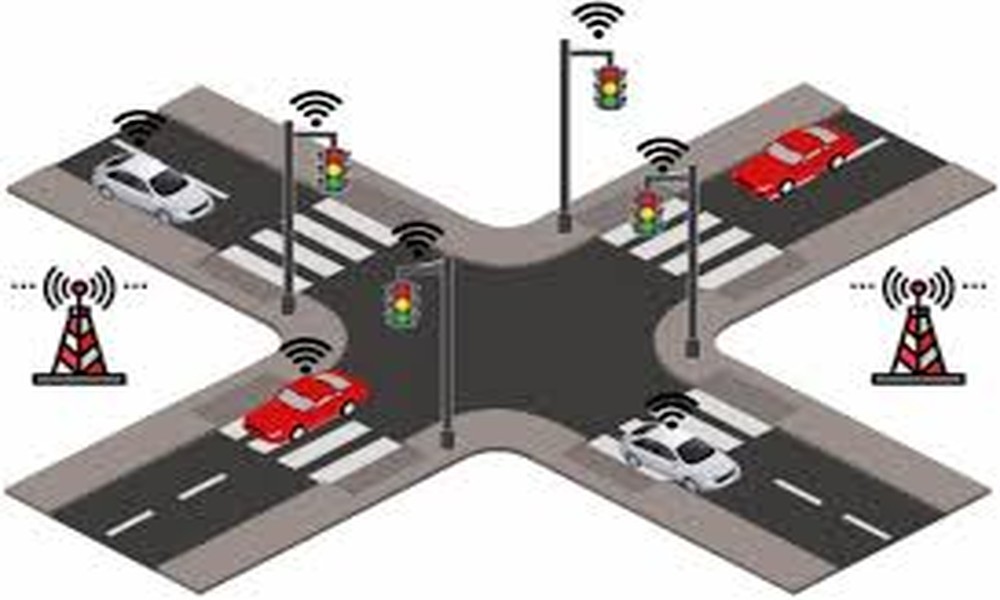
Approximately 42% of Los Angeles County traffic fatalities occur at intersections, while 38% occur at mid-block locations. The remaining 20% occur on freeway segments. Intersection fatalities are most heavily concentrated at signalized intersections with four or more through lanes, particularly where permitted left turns create conflict points between turning vehicles and pedestrians or oncoming traffic.
Mid-block pedestrian fatalities are disproportionately represented on arterial streets without adequate crosswalk infrastructure. In areas where signalized crosswalks are spaced more than a quarter mile apart, pedestrian fatality rates at mid-block locations increase by a factor of 2.7 compared to areas with more frequent crossing opportunities. This spacing deficiency is a recurring factor in pedestrian fatality analysis across South Los Angeles and the San Fernando Valley.
Demographic and Temporal Patterns
Fatal crash hotspots are not randomly distributed across demographic areas. Communities with lower median household incomes experience per-capita traffic fatality rates approximately 2.5 times higher (Journal of Transport and Health) than higher-income areas within the same county. This disparity correlates with road design characteristics: lower-income corridors tend to have wider, higher-speed arterial roads with less pedestrian infrastructure.
Approximately 60% of fatal crashes (NHTSA Fatality Analysis Reporting System) occur between 6 PM and 6 AM, with the highest concentration between 8 PM and midnight. Weekend nights, particularly Friday and Saturday, produce the highest single-day fatality counts, reflecting the combined influence of impaired driving, higher vehicle speeds, and reduced pedestrian visibility.
Accountability and Intervention
The geographic concentration of fatal crashes in Los Angeles County demonstrates that these deaths are not randomly distributed events. They cluster on specific roadways with identifiable design characteristics that are known to produce elevated fatality risk. This concentration creates both a public safety imperative and a legal framework for holding responsible parties accountable when preventable design deficiencies contribute to fatal outcomes.
