

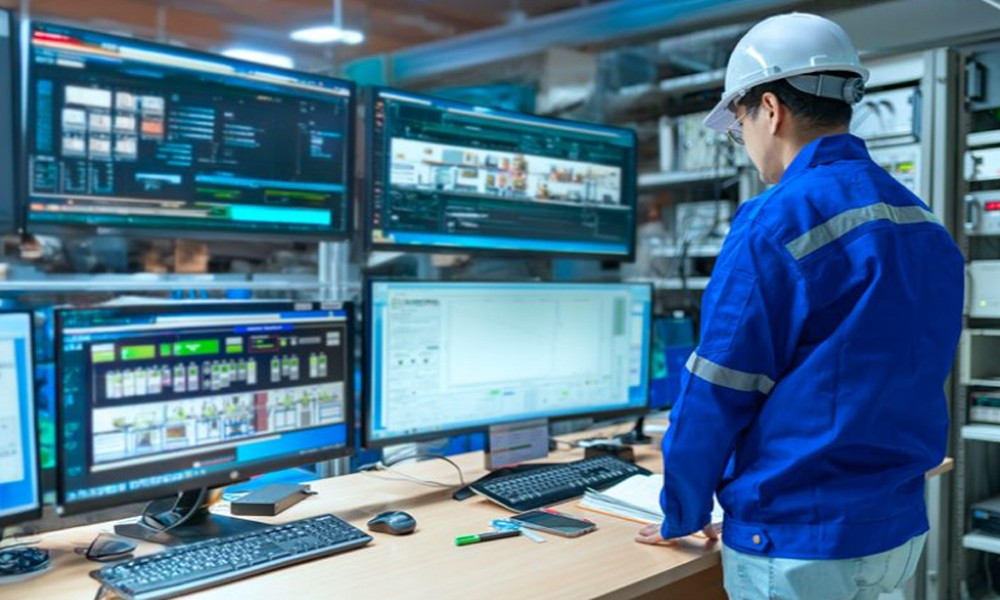
Industrial environments are rarely gentle. Heat, dust, vibration, moisture, and constant operation are part of the daily routine. In Singapore, add humidity and tight production schedules to the mix, and the pressure on equipment becomes even more intense. This is where durability stops being a nice-to-have feature and becomes a serious operational requirement, especially when industrial PCs sit at the heart of control and monitoring systems.
Durability is not about surviving the occasional knock. It is about consistency. When systems need to run day and night, any weak point eventually shows up, often at the worst possible moment.
Not All Computers Are Built the Same
On the surface, a standard office computer and an industrial PC might look similar. Both process data, run software, and connect to networks. The similarity ends there. Industrial settings expose machines to vibrations from heavy equipment, airborne particles, electrical noise, and temperature swings that would quickly overwhelm consumer-grade hardware.
An industrial PC is designed with sealed enclosures, fanless cooling, and reinforced components. These features are not added for show. They exist because downtime costs money, delays deliveries, and disrupts workflows. In industrial automation, even a short interruption can ripple through an entire production line.
The Hidden Cost of Downtime
When a system fails, the visible cost is repair or replacement. The hidden cost is often far higher. Missed deadlines, idle staff, wasted materials, and reputational damage can pile up quickly. In sectors like manufacturing, logistics, and utilities, reliability is closely tied to trust.
Durable systems help reduce these risks. They keep operations steady and predictable. That predictability matters, especially in Singapore’s competitive industrial landscape, where efficiency is not just expected, it is assumed.
Built for Long Hours and Longer Lifespans
Unlike office machines that power down after work hours, industrial systems are expected to run continuously. Some operate for years with minimal shutdowns. Durability supports this expectation by reducing wear on components and maintaining performance under stress.
This is particularly important in industrial automation environments where systems interact with sensors, controllers, and machinery in real time. A durable setup ensures that data flows smoothly and decisions are executed without hesitation.
Adapting to Harsh Conditions Without Complaints
Factories, ports, and outdoor facilities are unpredictable places. Temperature spikes, sudden power fluctuations, and physical shocks are common. A well-built industrial PC handles these conditions quietly, without constant attention or intervention.
This resilience also simplifies maintenance planning. When systems are stable, teams can focus on improvements rather than firefighting. Over time, this shifts resources from reactive fixes to thoughtful upgrades.
Security and Stability Go Hand in Hand
Durability is not only physical. Stable hardware supports stable software. When systems crash less often, software environments remain cleaner and more secure. This matters when industrial networks connect to broader IT systems or cloud platforms.
In Singapore, where smart factories and digital infrastructure are growing quickly, secure and stable computing forms a strong foundation. A reliable industrial PC supports updates, patches, and integrations without introducing unnecessary risk.
Why Environment-Specific Design Matters
It may sound counterintuitive, but overengineering can be just as problematic as underengineering. The best systems are designed for their exact environment. Food processing plants, for example, demand different protection levels compared to semiconductor facilities.
Choosing durable hardware that matches the application helps extend service life and maintain consistent performance. This tailored approach is a key reason industrial automation projects succeed or struggle.
Durability as a Strategic Decision
Investing in durability is not simply a technical choice. It is a business decision. Longer lifespans, fewer failures, and lower maintenance demands all add up over time. While the upfront cost may be higher, the total cost of ownership often tells a different story.
For organisations planning growth or upgrades, durability supports scalability without constant reinvestment. Systems that last provide breathing room to focus on innovation rather than replacement.
Conclusion
Durability in industrial PCs is about reliability, continuity, and peace of mind. In demanding environments, especially within industrial automation, robust hardware keeps operations moving and reduces costly interruptions. Choosing the right industrial PC supports long-term performance and protects critical workflows.
For guidance on selecting durable solutions suited to specific operational needs, get in touch with YT Automation and start a conversation today.
